

With the CBA playoffs heating up, a clear championship picture has emerged, with four teams forming the elite tier: Shanghai, Shenzhen, Guangsha, and Beijing. Based on roster strength, current form, and playoff experience, the title probabilities stand at Shanghai 45%, Shenzhen 25%, Guangsha 20%, and Beijing 10%. Each team boasts distinct styles and clear strengths and weaknesses. While Shanghai appears to be a dominant frontrunner, every squad has the hard power to sway the title race.
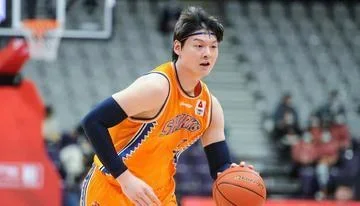
Shanghai Jiushi (45%): A Flawless Battleship, the Clear Favorite
Shanghai has been in a league of its own this season, finishing the regular season with a 38-4 record and a 23-game winning streak. They lead the league in offensive and defensive efficiency and rebounds. Their roster is “top-tier”: inside, Wang Zhelin and Hassan Whiteside form a twin-tower duo, dominating both offense and defense to create an impenetrable zone near the basket. Their import players are well-rounded: Gudwin handles playmaking, Lofton drives scoring, and Fogg provides precise shooting, with clear roles and no major weaknesses. Local players like Zhang Zhenlin and Li Tianrong are versatile on both ends, with eight players averaging double-digit points and a bench contribution rate exceeding 40%—the deepest in the league. The only concern is injuries to key players, but their overall margin for error is extremely high, making them the safest title pick.
Shenzhen Marco Polo (25%): Dark Horse Surging, Elite Perimeter Firepower
Shenzhen is the biggest surprise of the season, jumping from missing the playoffs last year to finishing third in the regular season with a franchise-record 15-game winning streak. They focus on fast-paced run-and-gun offense and three-point shooting, leading the league in both three-point attempts and makes. The local duo of He Xining and Wang Haoran have been outstanding. He Xining averages over 20 points per game with a three-point percentage above 42%, anchoring the perimeter. Import player Smith is a “big shot” performer with elite clutch ability, having hit multiple game-winners. Their weaknesses lie in interior depth and playoff inexperience, making them vulnerable against the frontcourts of Shanghai and Guangsha. However, their youth, energy, and resilience make them a dangerous dark horse.
Zhejiang Guangsha (20%): Defending Champions, Mature System and Experience
As the defending champions, Guangsha has retained its core championship roster, boasting top-tier tactical execution and playoff experience. Inside, Hu Jinqiu is the efficiency king, shooting over 67% from two-point range, a key low-maintenance scoring threat. The backcourt of Sun Minghui (returning from injury) and imports Brown and Tucker forms a powerful unit: Brown was Finals MVP last season with unstoppable scoring, while Tucker is a versatile two-way player handling playmaking and scoring.
Notably, Guangsha’s playoff journey is ongoing. Their quarterfinal series against Shanxi is tied 1-1, with a decisive Game 3 set for their home court on May 13. After a surprising home loss in the first game, they bounced back with a gritty 5-point road win in Game 2, stabilizing the series. Judging by the two games, Guangsha has fully adapted to Shanxi’s style. Hu Jinqiu is regaining form, and returning to their undefeated home arena gives them a strong chance to advance to the semifinals. If they succeed, Guangsha will compete for the title with a full roster. The road to repeating is challenging, but their competitive strength remains formidable.
The team’s clear weaknesses include Sun Minghui’s recurring injuries, the declining form of big import Kalton, and a lack of height and depth compared to Shanghai, making their title defense difficult.
Beijing Shougang (10%): Paper-Thin Talent, Strong Interior but Lacks Consistency
Beijing made major offseason additions, creating a roster that looks like a “ceiling” on paper. Their interior features the twin towers of Zhou Qi and JaVale McGee, providing elite rim protection; Zhou Qi is the league’s top rebounding local player, creating a no-fly zone in the paint. The backcourt pair of Zhao Rui and Chen Yingjun are strong on both ends, and forward Zeng Fanbo is incredibly athletic with consistent three-point shooting. However, the team has fatal flaws: their outside shooting is inconsistent and can go cold in crucial moments; roster chemistry is still developing due to limited playing time together; and key players are aging, raising concerns about stamina in high-intensity playoff games. Despite being capable of shaking things up, they have the lowest title probability.
The title race among these four teams is a three-way contest of hard power, roster depth, and playoff experience. Shanghai’s 45% probability is justified by its flawless lineup and dominant performance. Shenzhen’s 25% reflects its dark horse resilience and perimeter firepower. Guangsha’s 20% relies on its championship pedigree and mature system. Beijing’s 10% is limited by consistency and chemistry issues. The playoffs are a place for miracles; probabilities are mere references, and the ultimate champion will be determined on the court.
