

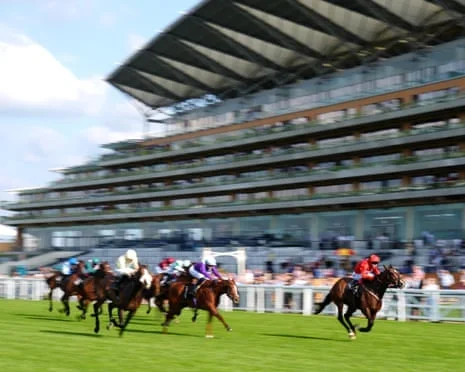
Ascot’s decision to quit the Racecourse Association (RCA) at the end of the year signals more than a routine dispute in the sport. The royal racecourse’s move, announced on a bank holiday morning, carries significant weight, as industry observers warn that others may follow, threatening the future of the trade body established in 1907.
The conflict stems from deeper governance issues within British racing. Just two months ago, Charles Allen resigned as chair of the British Horseracing Authority (BHA) after a brief and unsuccessful push to modernize the sport’s governance structure, including the introduction of a fully independent board of directors.
Ascot, along with the Jockey Club (which operates major tracks like Cheltenham, Aintree, Epsom, and Newmarket) and three key independent venues—Newbury, York, and Goodwood—subsequently demanded a formal governance review of the RCA. Their core complaint: the RCA’s one-track, one-vote system gives disproportionate power to smaller venues, particularly the 16 courses operated by Arena Racing Company (ARC), whose business model prioritizes volume over quality for the off-course betting market.
Since the RCA nominates two members of the BHA board, Ascot and its allies felt their support for Lord Allen’s independent board proposal was not being adequately represented at the sport’s highest level. The deadline for an acceptable reform proposal was set for the end of April. Ascot resigned just four days later.
Attention now turns to the Jockey Club, British racing’s largest commercial operator. Although the Jockey Club has extended the RCA’s deadline, analysts believe Ascot’s CEO, Felicity Barnard, would not have led this charge without confidence that the Jockey Club would follow. If or when the Jockey Club exits, the BHA will face a constitutional crisis, as the RCA’s two board seats depend on it being “the person most representative in Great Britain of the interests of owners of racecourses.” Without Ascot, the Jockey Club’s major tracks, and venues like Goodwood, York, and Newbury, the sport’s governing authority could lose its credibility.