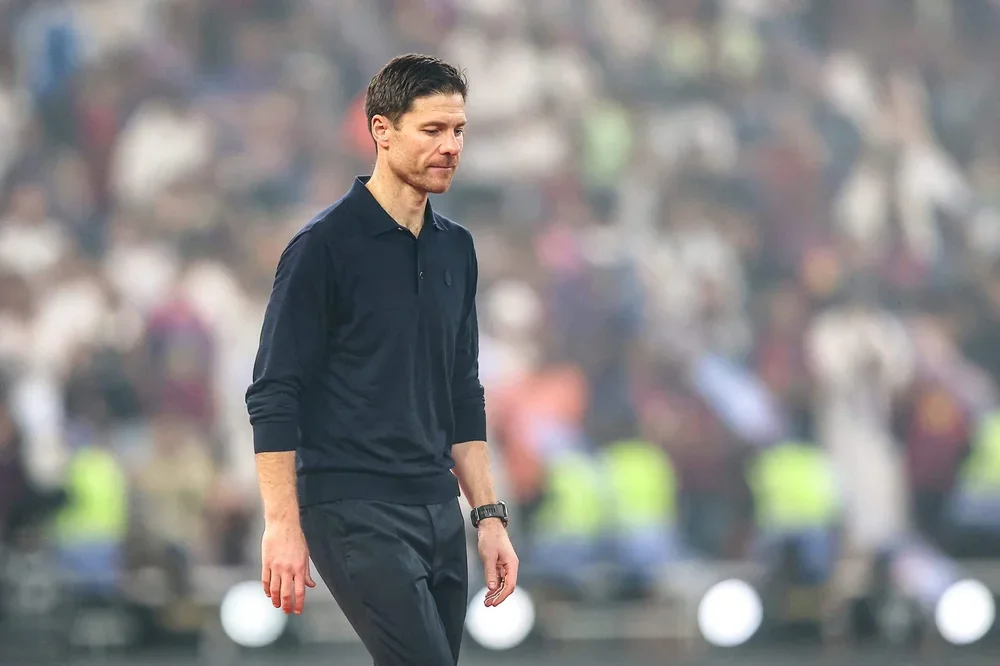

Barcelona is celebrating a second consecutive La Liga title, and for Real Madrid, Sunday’s 2-0 loss in El Clasico dashed any lingering hopes of rescuing a brutal season. It also marked the first time Barcelona secured the league crown in a direct clash with their archrivals. These are turbulent times at the Santiago Bernabéu.
The past week has exposed intense tensions within the club. Federico Valverde and Aurélien Tchouaméni were fined a combined €1 million after a dressing-room fight on Thursday, following a clash between the pair a day earlier. That incident came after separate training-ground confrontations involving Antonio Rüdiger and Kylian Mbappé. Head coach Álvaro Arbeloa tried to stay positive on Saturday, but his position has been precarious since replacing the sacked Xabi Alonso in January. With Champions League elimination and poor domestic form, the Spaniard is not expected to remain in charge.
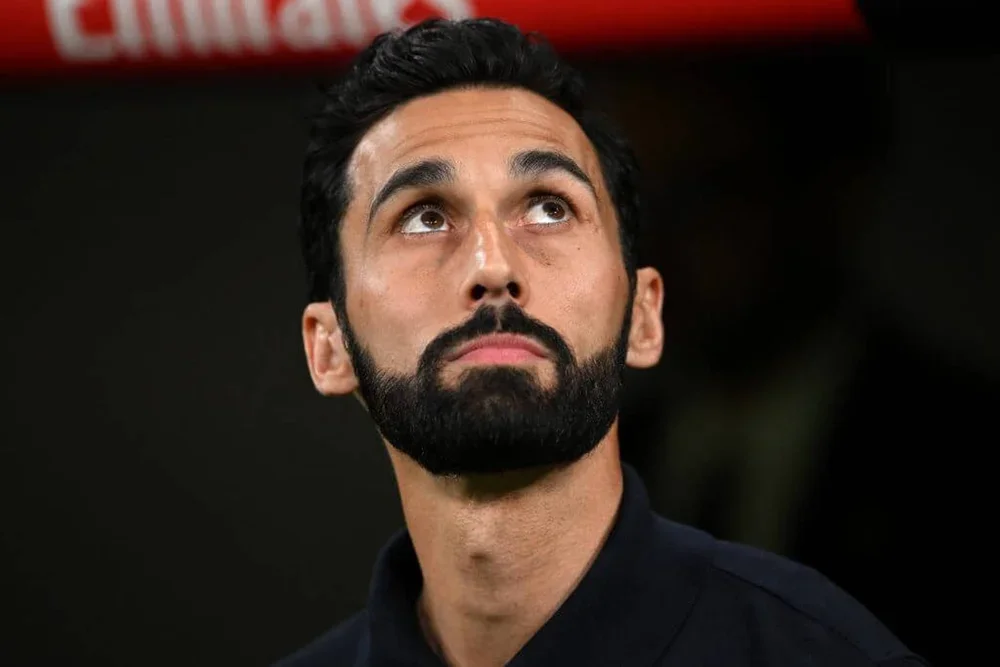
Álvaro Arbeloa is not anticipated to continue as Real Madrid head coach — Denis Doyle/Getty Images
At a club with a reputation for ruthlessly sacking managers, the response to a second consecutive season without a major trophy was inevitable. On Friday, The Athletic reported that Madrid has held talks about appointing José Mourinho, president Florentino Pérez’s preferred candidate.
Over the past six months, the team suffered an embarrassing Copa del Rey defeat to second-division Albacete, home fans booed star players multiple times, and the medical department came under scrutiny after misdiagnosing Mbappé’s knee issue — an MRI was performed on the wrong leg. Real Madrid correspondent Guillermo Rai analyzes how things unraveled and what lies ahead.
Where Did Madrid’s Season Go Wrong?
Xabi Alonso joined from Bayer Leverkusen last summer as a highly promising coach, and Real Madrid won 13 of their first 14 matches, though the sole loss was a damaging 5-2 defeat to Atlético Madrid — the first time their city rivals had scored five goals against them since 1950. A 2-1 victory in October’s first Clásico put Madrid five points clear at the top, suggesting Alonso’s project was on track, but that proved misleading. The defining moment of that night was Vinícius Júnior’s frustration at his coach after being substituted.
Alonso’s staff viewed that incident as a turning point in the club’s internal atmosphere and for the manager’s plans at the Bernabéu. The Brazilian forward publicly apologized to President Pérez, his teammates, and the fans, but notably not to Alonso. Soon after, The Athletic reported growing discomfort behind the scenes and skepticism from some squad leaders toward Alonso’s methods, which were seen as overly demanding. Those tensions filtered into performances.
Defeats in the Champions League to Liverpool (1-0 at Anfield) and Manchester City (2-1 at home in December, with Alonso’s job apparently on the line) — combined with an increasing injury list — deepened the sense of instability.
Xabi Alonso’s last game in charge was a defeat to Barcelona in January’s Supercopa de España final — Haitham Al-Shukairi/AFP via Getty Images
Alonso remained in his role, but the club responded after Christmas by reinforcing the medical and fitness departments, appointing Dr. Niko Mihić as head of medical services and bringing fitness coach Antonio Pintus back to a more prominent role — both trusted figures of Pérez. Alonso’s sacking in January was not surprising, but the manner of its delivery caught many at the club off guard, coming after the 3-2 Supercopa de España final loss.